




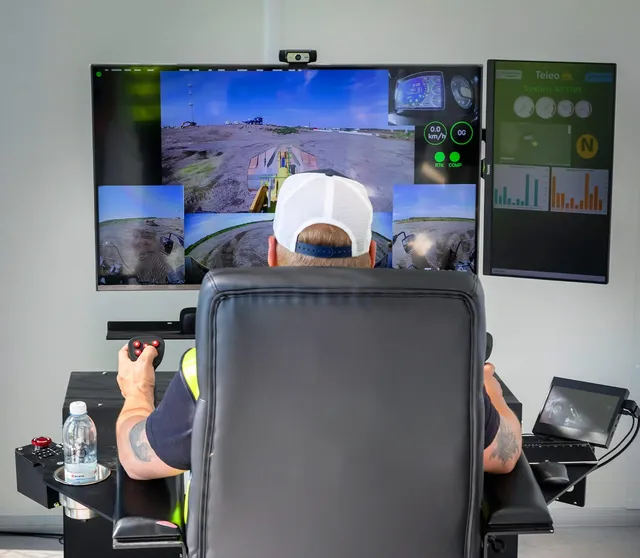
 Teleo Supervised Autonomy
 TeleoBrand-agnostic supervised autonomy retrofit for heavy earthmoving fleets; one operator, multiple machines12 deployments · 4 countries
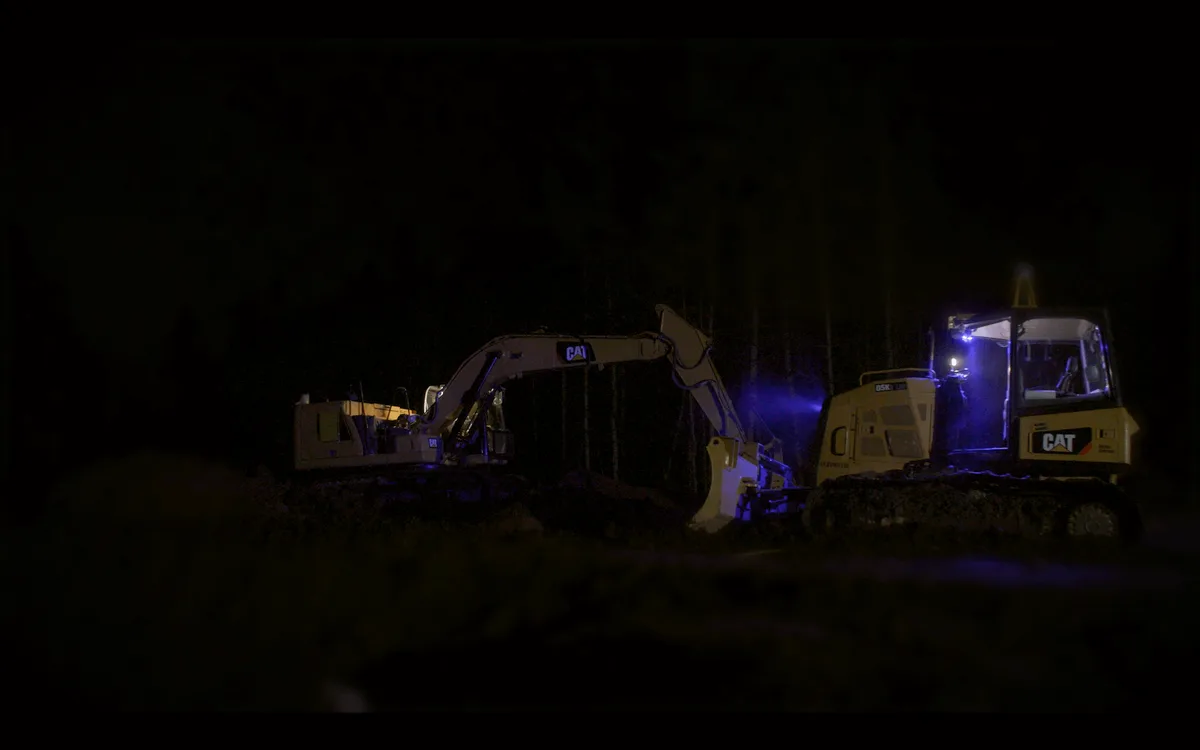

Fully autonomous earthmoving retrofit; bulldozers and excavators, zero-entry worksites
The AIM Platform is a retrofit autonomy kit that converts existing bulldozers, excavators, and other heavy earthmoving equipment into autonomous machines without replacing the host hardware. It covers nine subtasks across earthmoving and road preparation, from mass excavation and rough grading to compaction and aggregate base placement; the crew shifts from operating each machine individually to supervising a fleet from a tablet interface. The platform has been in commercial operations since 2021 and is currently shipping, with dealer partnerships across the U.S. and Australia/New Zealand.
The machine operates autonomously with no person on or near the equipment during active cuts. Collision avoidance stops the dozer when someone enters the operating zone, and the crew monitors fleet progress from the AIM-OS tablet rather than riding in the cab.
Onboard sensors build a terrain model that maps slope, roughness, and stability in real time, and the blade follows that model through each grading pass. Confirmed host machines include the D10T and D11 dozers, both demonstrated at production mine sites.
Backfilling, Compaction, Finish Grading, Soil Hauling, Trenching (Utility Excavation)
Aggregate Base Placement, Subgrade Preparation
5 deployments · 5 companies
As the maker states it.
Teleo Supervised AutonomyTeleoBrand-agnostic supervised autonomy retrofit for heavy earthmoving fleets; one operator, multiple machines12 deployments · 4 countries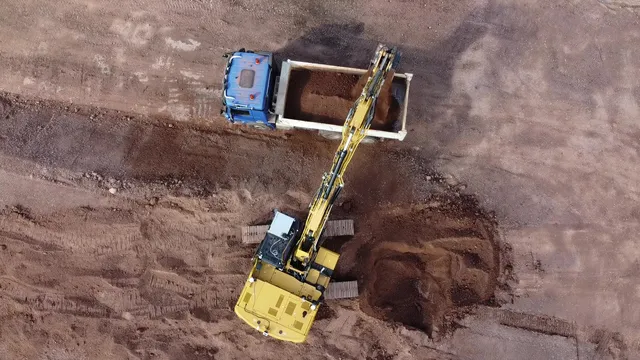 Gravis RACK
 Gravis RoboticsRetrofit autonomy kit for excavators and wheel loaders; bucket-based earthmoving tasks6 deployments · 2 countries
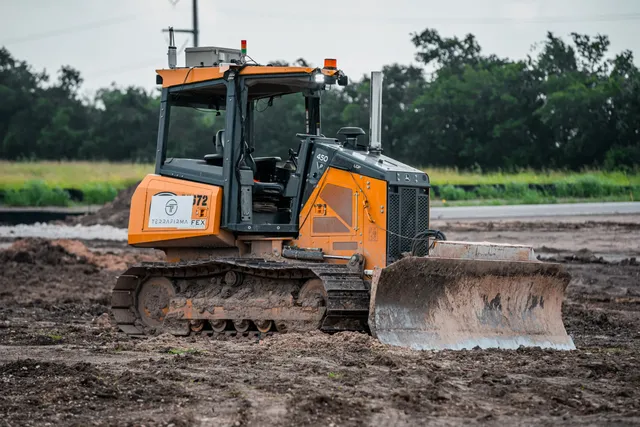 Image: TerraFirma, Inc.TerraFirma Autonomous Earthmoving Platform
 TerraFirmaRetrofit kit that makes excavators, dozers, loaders and graders remote-operated or semi-autonomous6 deployments · 1 country
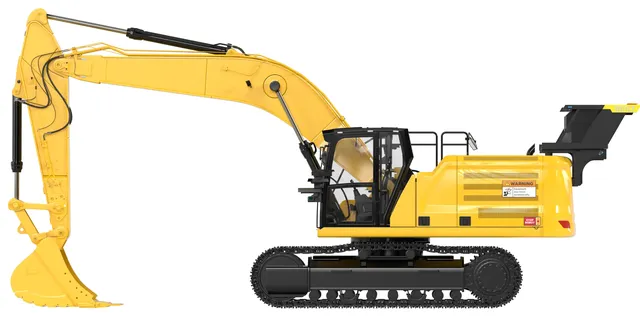 Exosystem
 Built RoboticsAftermarket excavator retrofit for autonomous utility trenching on solar and energy sites4 deployments · 2 countries
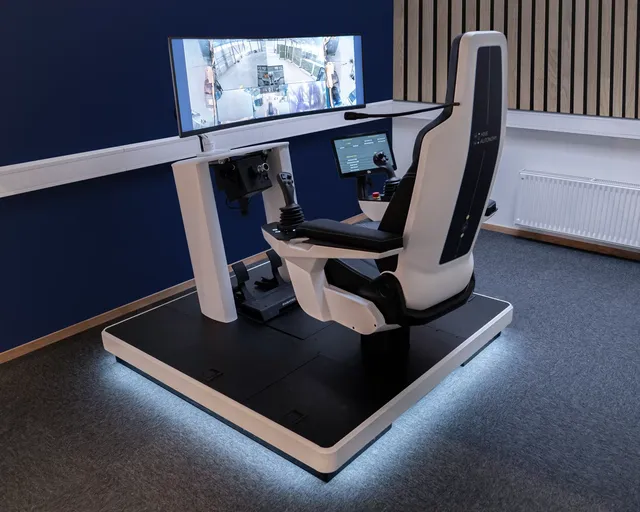 Hive Machine Intelligence Equipment
 HIVE5G-dependent retrofit kit for remote-operated loaders and excavators3 deployments · 1 country
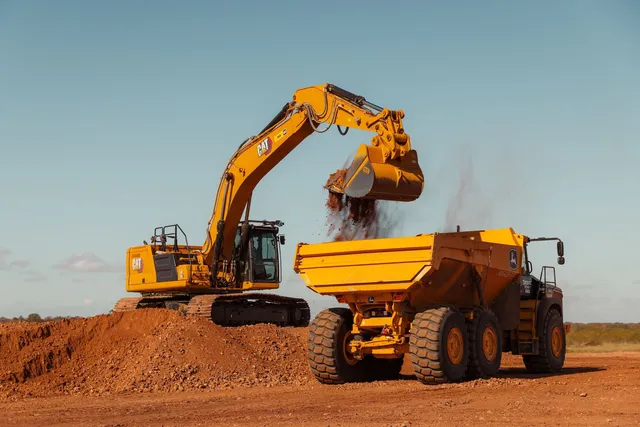 Image: Bedrock RoboticsBedrock Operator
 Bedrock RoboticsRetrofit autonomy kit for excavators covering grading, excavation, backfill, and hauling5 deployments · 1 countryTeleo Supervised AutonomyTeleoBrand-agnostic supervised autonomy retrofit for heavy earthmoving fleets; one operator, multiple machines12 deployments · 4 countriesImage: TerraFirma, Inc.TerraFirma Autonomous Earthmoving PlatformTerraFirmaRetrofit kit that makes excavators, dozers, loaders and graders remote-operated or semi-autonomous6 deployments · 1 country
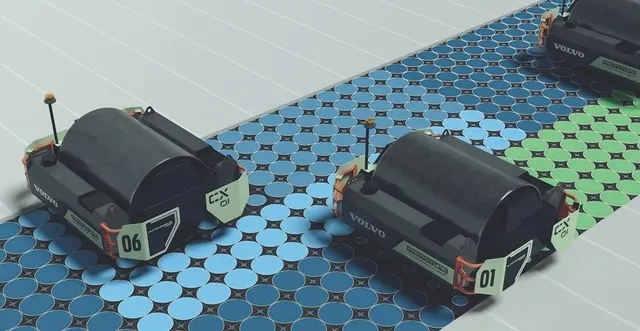 Image: Volvo Construction EquipmentCX01
 Volvo Construction EquipmentElectric hybrid split-drum compactor; autonomous and fleet-coordinated by design2 deployments · 2 countries
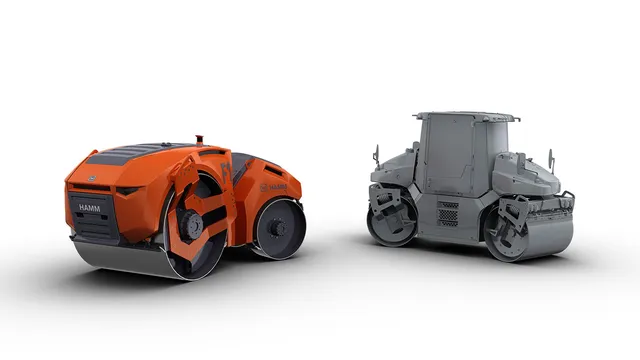 Image: Wirtgen Group (HAMM)Autonomous Roller
 Wirtgen groupSelf-driving compaction roller that completes a programmed route using GNSS positioning3 deployments · 2 countries
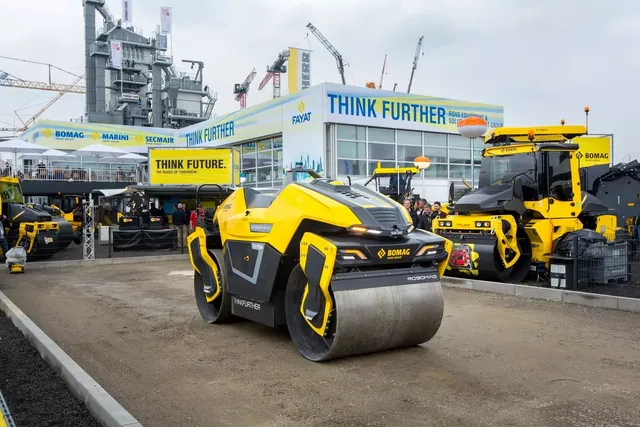 Image: BOMAG GmbHBOMAG ROBOMAG
 BOMAGRemote-controlled tandem roller with emergency braking for soil and asphalt compaction0 deployments
Something wrong? How corrections work